

Telehealth Services
Living in a regional or remote area should not mean missing out on the support you need. Hope Allied Health Services connects children, adults and families across Australia with allied health professionals through telehealth.
Whether local services are unavailable, travelling is difficult, or you prefer appointments at home, telehealth makes it easier to access personalised care.
Our Occupational Therapy, Speech Pathology, Physiotherapy and Psychology services bring professional guidance, practical strategies and ongoing support to you through online video appointments.
Contact us to discuss telehealth appointments.

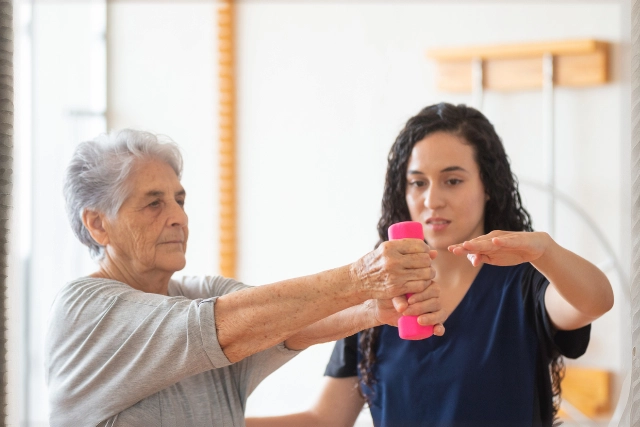
Your goals. Your care.
At Hope Allied Health Services, we have the experience and resources to deliver engaging, effective telehealth support.
Our therapists adapt their approach to suit online appointments and your individual goals. Depending on your needs, sessions may include visual supports, interactive activities, demonstrations, guided practice and coaching for parents or carers.
Your therapist can observe relevant everyday tasks, explain strategies, guide you through activities and provide feedback as you practise.
We work with you to set meaningful goals, review progress and adjust your therapy as your needs change.
Build confidence and independence in everyday life.
Our occupational therapists help children and adults develop skills for daily activities at home, school, work and in the community.
Telehealth OT may support:
Working in your home environment helps your therapist understand how tasks fit into your daily life. They can guide you through practical activities and suggest ways to adapt routines or your surroundings.
Some assessments can also be completed through telehealth. Your OT will discuss whether an online assessment is appropriate for your needs.

Support communication and connection in everyday situations.
Our speech pathologists use guided activities, visual resources and conversation to help children and adults work towards their communication goals.
Telehealth speech pathology may support:
For children, sessions may include games, books and familiar toys, with parents supported to practise communication strategies during everyday routines.
Your speech pathologist will adapt sessions to your communication style, interests and level of support.
Keep moving with professional guidance at home.
Our physiotherapists help you work towards movement and physical function goals through video appointments, education and tailored exercise programs.
Telehealth physiotherapy may support:
Your physiotherapist can observe how you move, demonstrate exercises and provide feedback on your technique. They will consider your environment and whether you need someone nearby to support safe participation.
If you need a hands-on assessment or treatment, your physiotherapist will explain this and discuss suitable next steps.

A comfortable space to talk, reflect and develop practical strategies.
Telehealth psychology allows you to connect with a psychologist from a private space at home, making support more accessible when distance or travel is a barrier.
Sessions may focus on:
Your psychologist will take time to understand your concerns and goals, building a supportive therapeutic relationship and tailoring sessions to your needs.
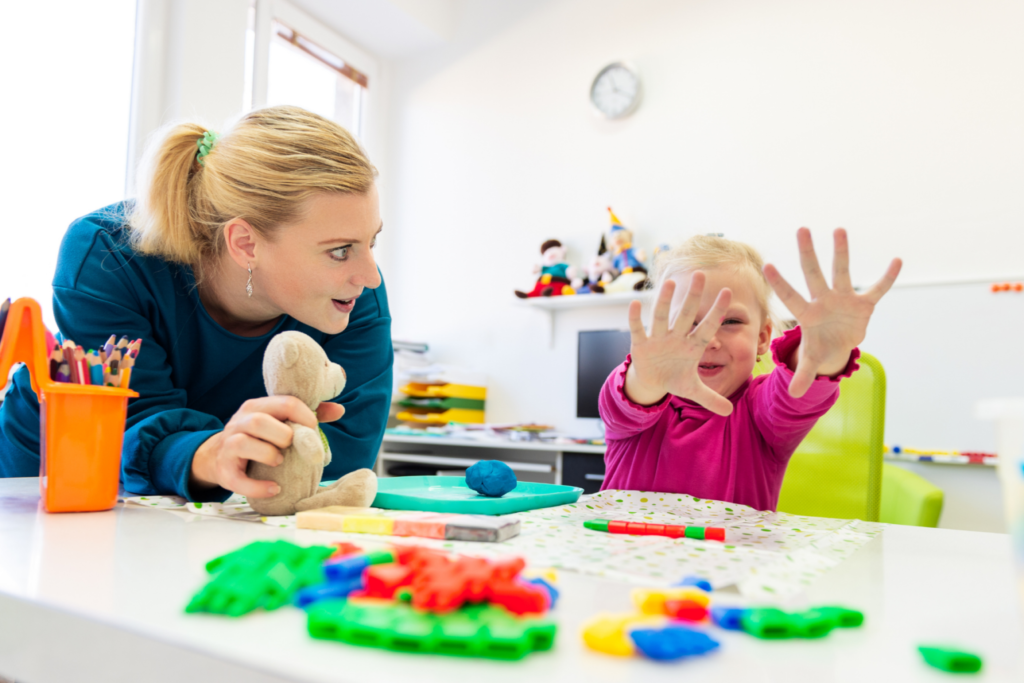
Support for the whole family
You may wonder how therapy can work if your child finds it difficult to sit in front of a screen. Telehealth can be adapted to include movement, play, short activities and parent or carer participation.
Some sessions focus on coaching you while you support your child through an activity. Your therapist can observe, offer guidance and help you build strategies into everyday routines.
The person receiving therapy does not always need to manage the technology or participate independently. We will discuss what support would help make sessions useful and manageable.